Aquablation therapy
At Sharp, we're proud to offer Aquablation therapy — an advanced, minimally invasive surgical procedure to treat benign prostatic hyperplasia (BPH) .

Robotic precision to provide long-lasting BPH relief
Benign (noncancerous) enlargement of the prostate, known as benign prostatic hyperplasia (BPH), is the most common prostate problem in men. Treatment options for BPH range from medications to invasive surgery, with minimally invasive options in between.
At Sharp HealthCare, we are proud to be among the first in the state of California to offer Aquablation therapy — an advanced, minimally invasive surgical treatment for BPH.
We know choosing a treatment option can be overwhelming. That’s why we’re here to provide personalized support and expert care to help you get back to your daily life.
Frequently asked questions about BPH and Aquablation therapy
BPH, or benign prostatic hyperplasia, is a type of prostate enlargement, caused by the expansion of the prostate gland and surrounding tissue, that then presses against the urethra potentially causing uncomfortable urinary symptoms.
Over half of men in their 60s, and as many as 90 percent of men in their 70s and 80s, have symptoms of an enlarged prostate.
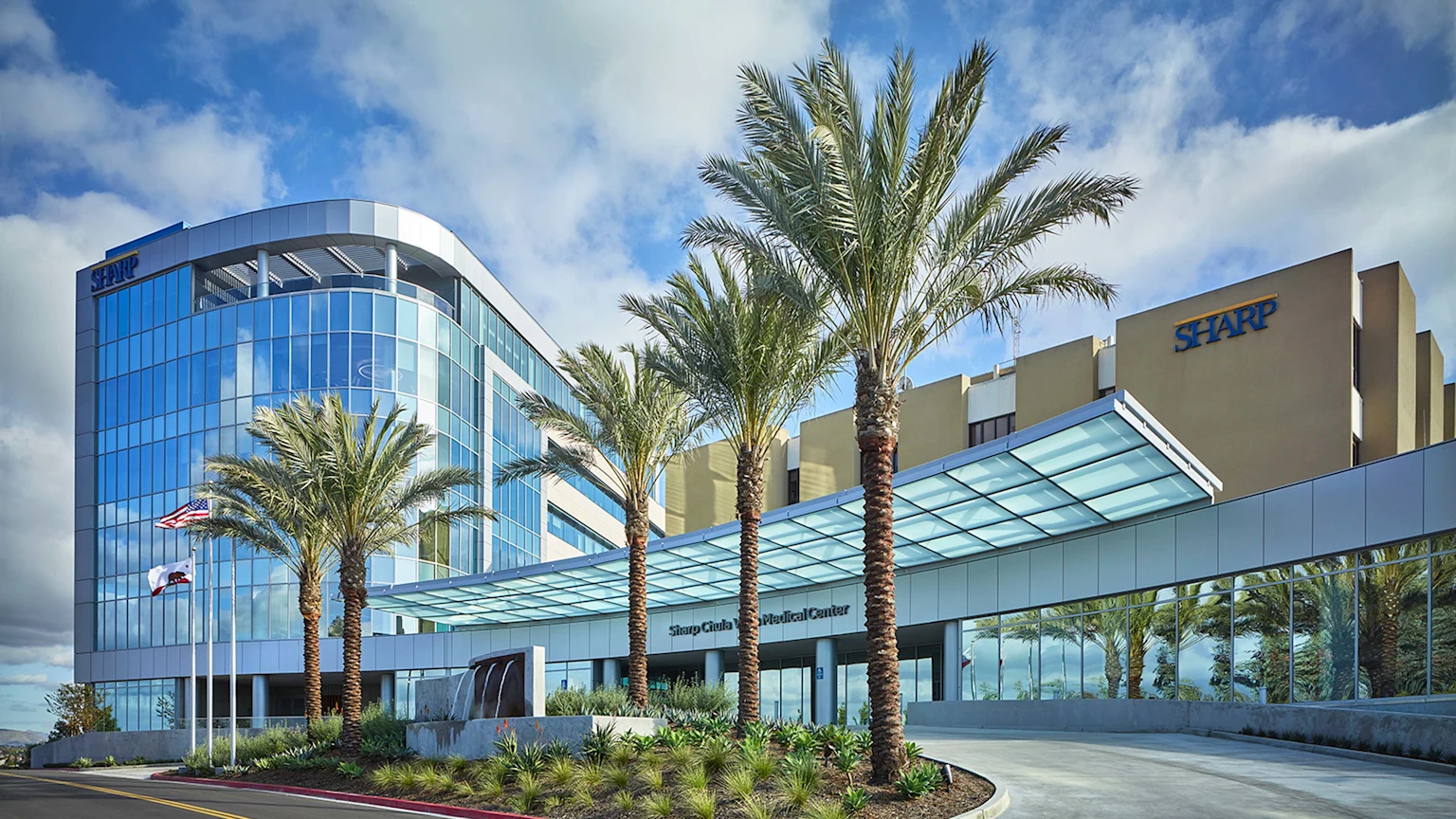
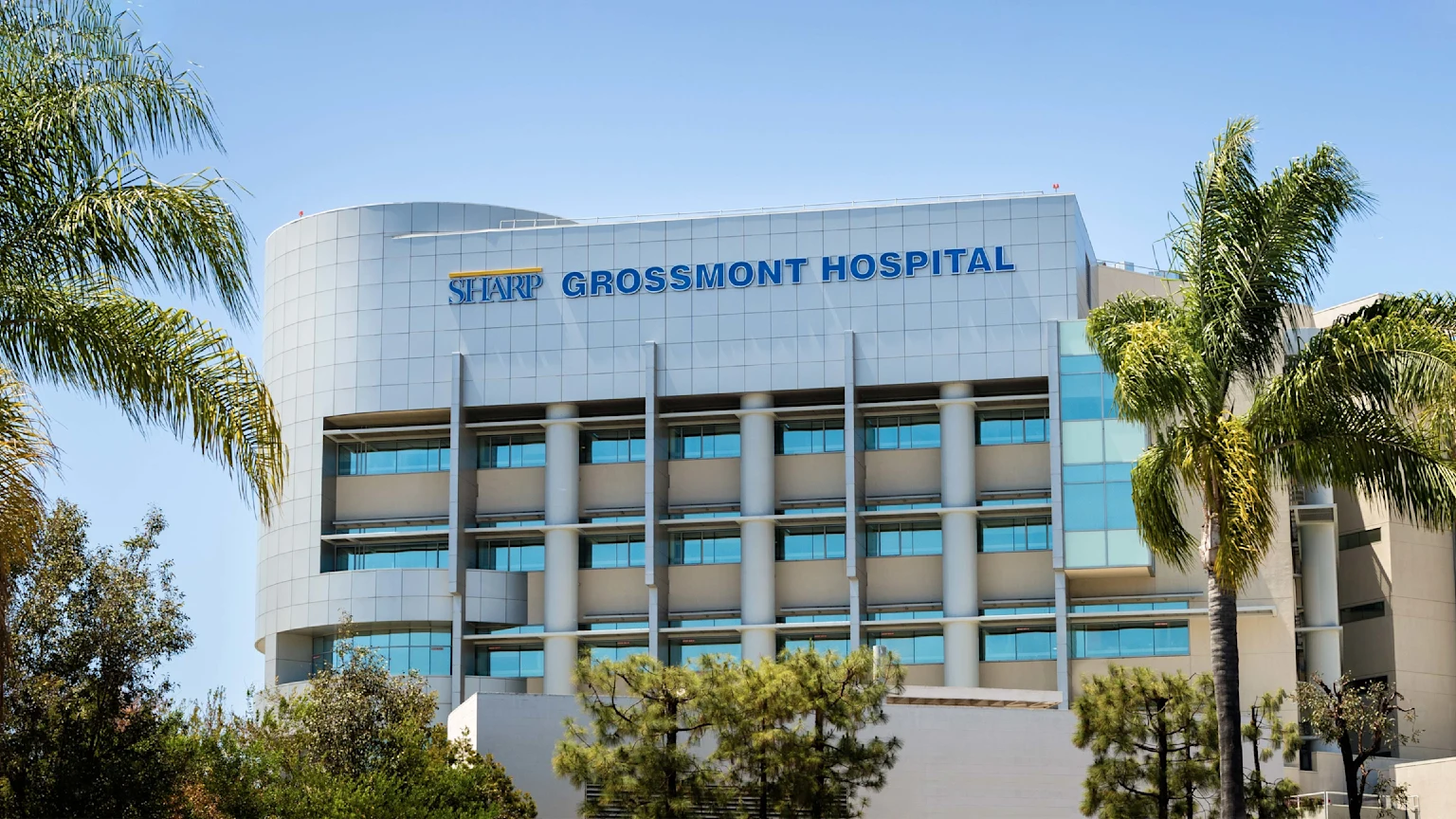
Treatment options include Aquablation therapy at Sharp Chula Vista Medical Center and Sharp Grossmont Hospital and the HoLEP procedure at Sharp Memorial Hospital.
Symptoms of BPH include:
Difficulty or delay in starting to urinate
Dribbling urine at the end of urination
Frequent urination
Sensation that you cannot completely empty your bladder
Urgent feeling of needing to urinate
Urine stream that stops and starts
Weak urine stream
Aquablation therapy is a safe and effective treatment for patients suffering from BPH. A one-of-a-kind procedure, Aquablation is a robotic procedure that removes prostate tissue using the power of water.
Aquablation therapy is a resective procedure, which means that the prostate tissue causing symptoms is surgically removed. No incision is made in the abdomen, as the prostate is reached through the urethra.
Aquablation therapy is performed at our hospital and is done under anesthesia. The procedure typically takes less than an hour and involves an overnight stay.
As with most BPH procedures, you will wake up with a catheter after an overnight stay in our hospital. The benefit with Aquablation therapy is that most patients end up leaving our hospital without a catheter.
If you are unable to urinate on your own or empty your bladder at the time of discharge, we may send you home with a catheter for a few days or may keep you an additional night in our hospital. Once you are home, you may experience mild burning during urination for a couple of weeks. This can be managed with mild pain medication.
Aquablation therapy for benign prostatic hyperplasia (BPH) relief
Aquablation therapy — a minimally invasive surgical treatment for BPH — is offered at Sharp Chula Vista Medical Center and Sharp Grossmont Hospital.