Robotic surgery for the removal of uterine fibroids
Uterine fibroids can be painful, uncomfortable and keep you from enjoying your everyday life. At Sharp, we're here to help by giving you effective, innovative options for healing.

Surgical options for a fresh start
Fibroids — also known as myomas, leiomyomas or fibromas — are firm, compact tumors made of smooth muscle cells and fibrous connective tissue that develop in the uterus.
A myomectomy is a surgery to remove uterine fibroids that can be performed through traditional surgery or using minimally invasive techniques such as robotic surgery, which can safely treat your condition and help you feel better faster.
Uterine fibroid symptoms
If you have uterine fibroids, you may be experiencing:
Heavy or prolonged menstrual periods lasting seven days or more
Painful intercourse
Difficulty becoming pregnant
We can help you heal
Robotic-assisted surgery is especially promising for women who would like to have children in the future. Regardless of the size and location of a fibroid, the surgeon is able to make precise movements to remove it, preserving the delicate structures of the pelvis and decreasing the chance of future complications.
Robotic-assisted myomectomy also allows the surgeon to better see where they are operating, which is especially helpful in treating uterine fibroids.
The overall benefits of robotic surgery include:
Fewer complications
Less blood loss and risk of infection
Significantly less pain and scarring
Shorter recovery time for a quicker return to normal activities
A team of experienced robotic surgeons
Sharp is the first system on the West Coast to be recognized as a Network of Excellence in Robotic Surgery, signifying our ability to consistently deliver the safest, highest-quality surgical care to our patients.
Ask your doctor if you are a candidate for a robotic-assisted myomectomy.
Frequently asked questions
Robotic technology is an extension of your surgeon, who is in full control of everything that happens during the surgery. The robotic technology moves like the human wrist and allows for surgeons to perform the surgery using smaller instruments in a more precise and steady movement. With zooming capabilities, the incision is 1 to 2 centimeters, compared to traditional open surgery where the surgeon must make an incision large enough to fit the surgical instruments and view the area.
A camera inside your body will send real-time images to your surgeon, who guides the robot from a console in the operating room. These images are highly magnified with a sharper resolution, giving your surgeon a better view than what they would see standing over you.
Robotic-assisted and laparoscopic are both types of minimally invasive surgery.
In a laparoscopic procedure, your surgeon stands directly over you, manually controlling the surgical instruments and utilizing a laparoscope — a long narrow tool that has a camera and a light — to see inside your body.
In robotic-assisted surgery, your doctor will be seated at a console, controlling the surgical instruments directly with the robotic arms. The robotic system gives your surgeon greater control and a 360-degree range of motion, as well as providing a high-definition, 3D camera to see inside your body.
Our skilled surgeons have access to the latest technology, including the da Vinci® 5, Xi and X robotic systems. Each is optimized for certain types of general surgery procedures, including colon, gallbladder, gynecologic, abdominal and hernia repair.
Unlike robots you may see in the movies, the robotic system does not have a mind of its own. Your surgeon will be in complete control of every movement in real time — nothing is automatic. In addition, every member of your Sharp care team has received specialized training in operating the robotic surgery system.
But as with any medical procedure, talk to your doctor about any potential risks.
There are two simple ways to find the right doctor for you:
Search online with our quick, easy-to-use Find a Doctor tool.
Call 1-800-82-SHARP (1-800-827-4277) to speak with one of our specially trained physician referral specialists. They know our doctors and can help you find the perfect fit.
In some cases, you will need a referral from your primary care doctor.
Some medical groups offer direct access to certain types of specialists. And some health plans, such as PPOs, offer direct access to all specialists. Contact your health plan's member services department to confirm your coverage.
Sharp accepts almost all health insurance plans, including Medicare, Medi-Cal and most managed care and private insurance plans.
Be sure to check with your insurance company to verify specific coverage. Insurance companies frequently add new plans, and update provider networks and covered services under existing plans.
San Diego uterine fibroids robotic surgery locations
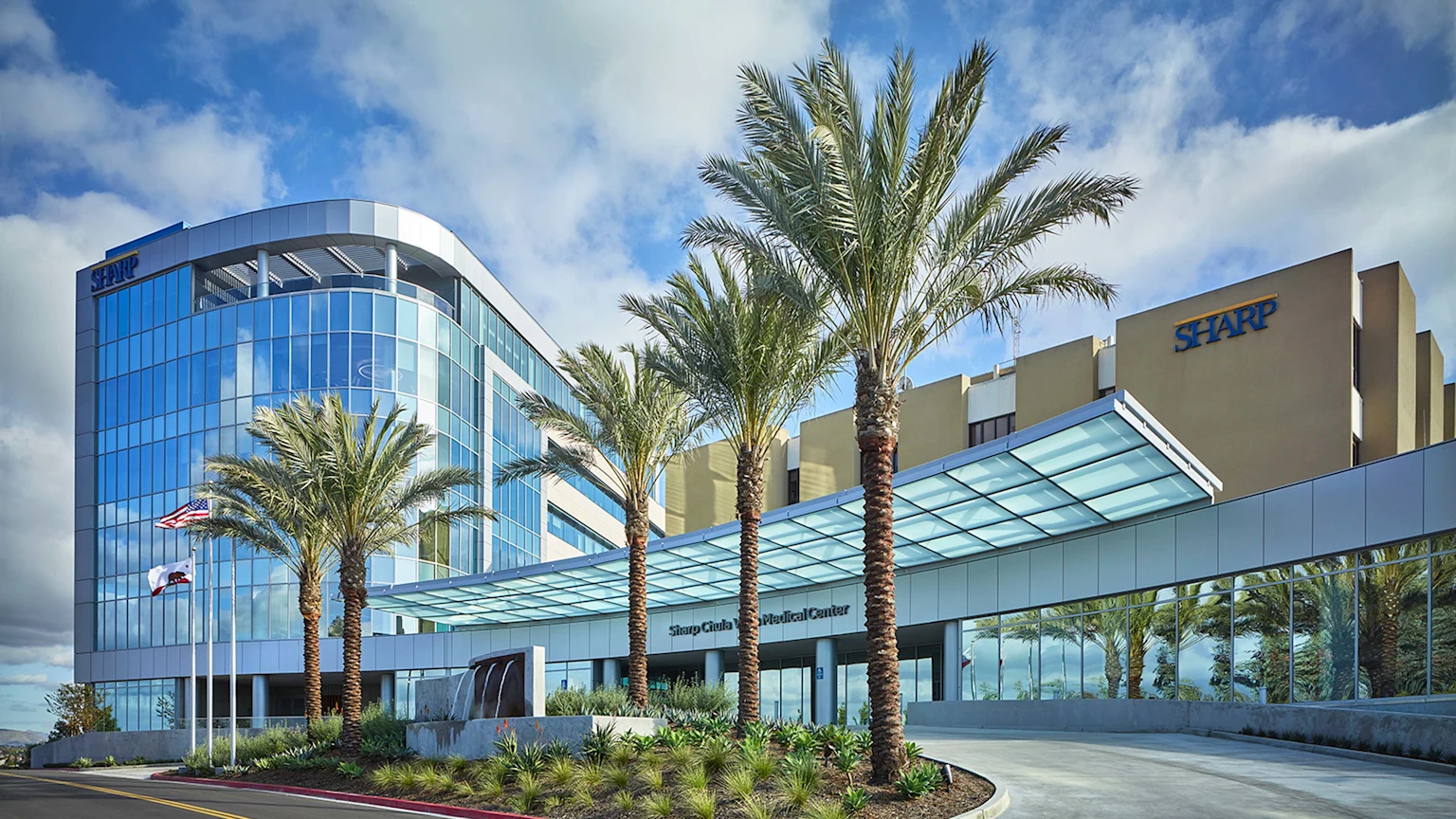
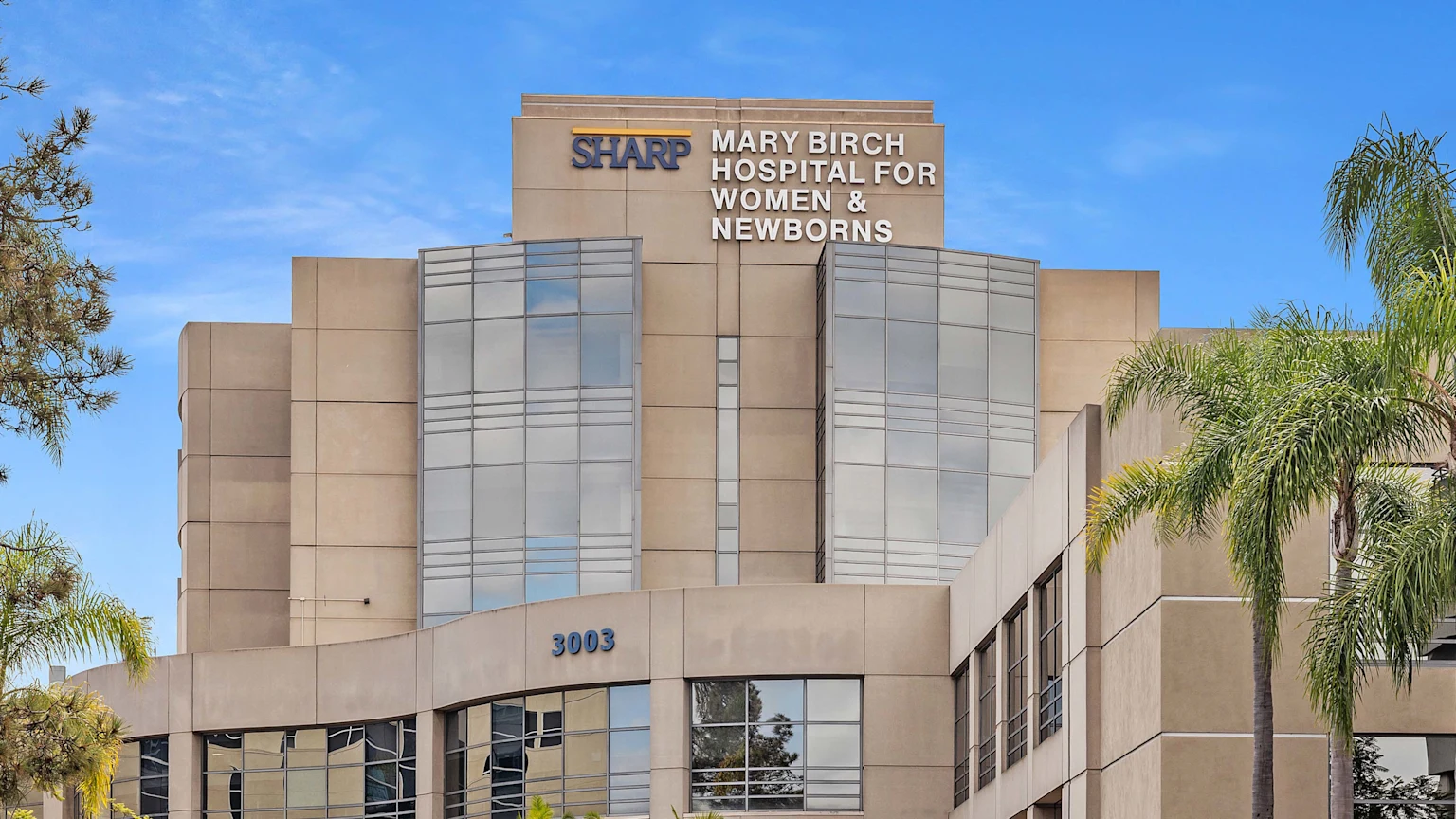
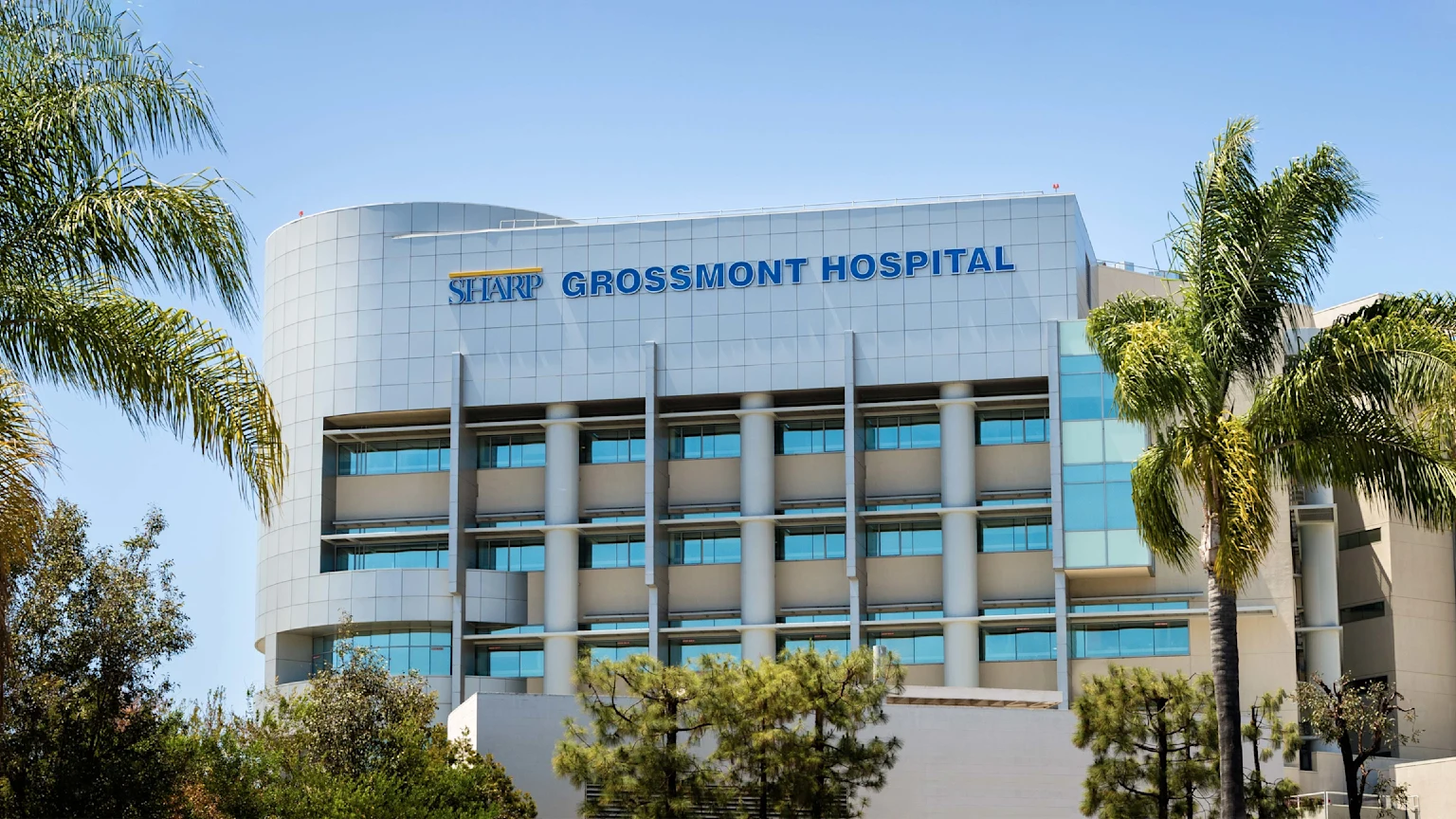
Sharp offers da Vinci® robotic surgery in San Diego at the following hospitals.
Read our uterine fibroids treatment stories

Current and future treatment options for uterine fibroids
Women have various fibroid treatment options, from medication to surgery.
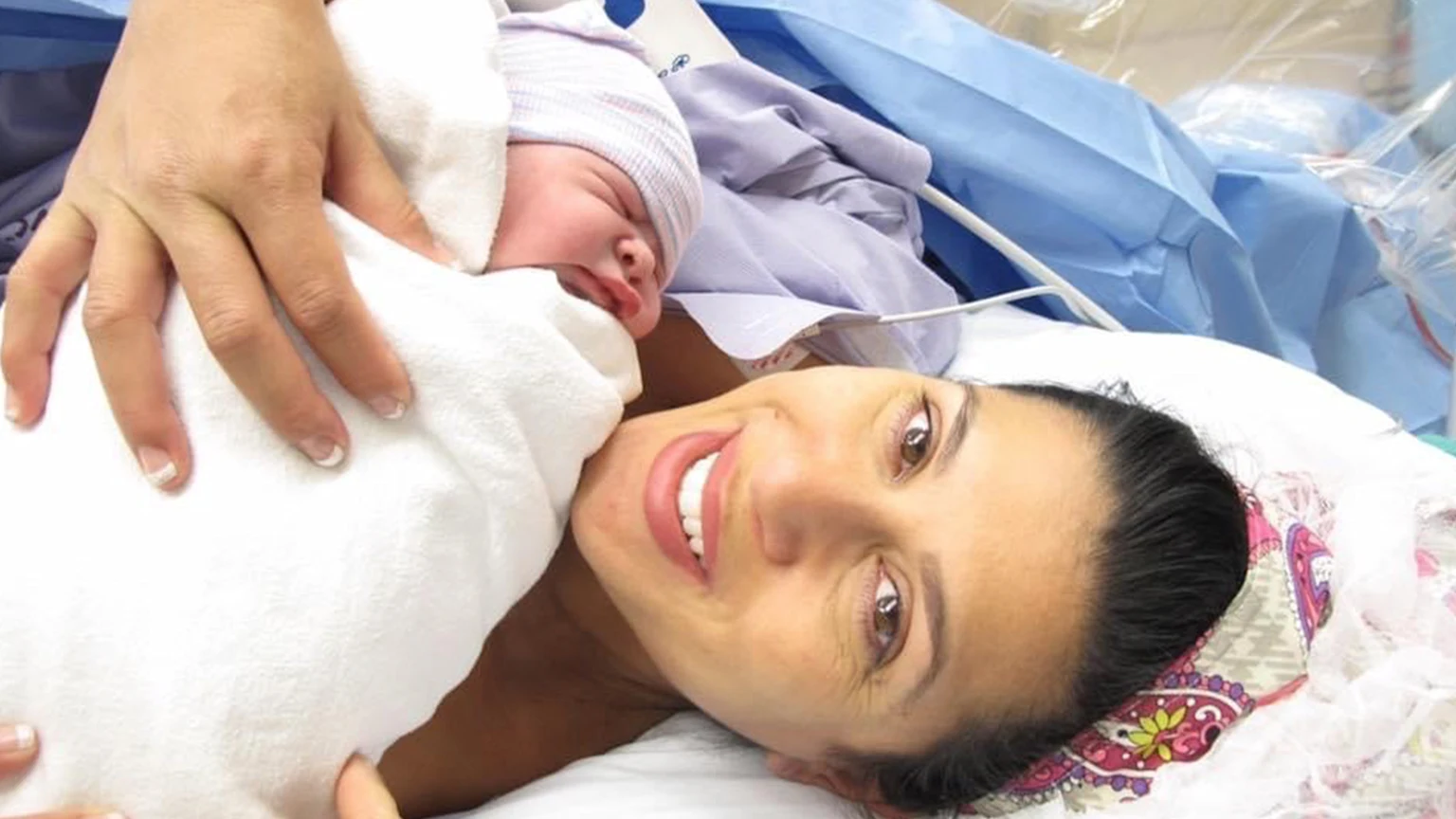
Decade-long fertility journey to baby and good health
Lorraine Harrington had a hysterectomy via a minimally invasive procedure at Sharp Mary Birch, completing her decade-long fertility journey at the hospital.
Sharp first to offer new treatment for uterine fibroids
Sharp is the first local medical provider to offer a new treatment option for uterine fibroids.