Carotid artery disease
At Sharp, our team of vascular specialists offer advanced, personalized care to treat carotid artery disease, focused on restoring healthy blood flow to the brain.

Find a vascular specialist near you
Choose the San Diego provider who's right for you.
What is carotid artery disease?
Carotid artery disease happens when the carotid arteries — the two main blood vessels in your neck that bring blood to your brain — become narrowed by plaque buildup. This plaque is made of fat and cholesterol that collect over time.
When these arteries narrow, less blood can reach the brain. In some cases, pieces of plaque can break off and block blood flow to arteries in the brain, leading to a stroke or “mini‑stroke” (TIA), depending on the duration and severity of the symptoms. Many people have no symptoms at first, which is why early detection and regular follow‑up are important.
Carotid artery disease treatment at Sharp
Care at Sharp is guided by a team of vascular surgeons, cardiologists, radiologists, neurologists and neurointerventionalists who work together to recommend the safest and most effective treatment for each patient.
Sharp offers innovative options, including transcarotid artery revascularization, for a care plan tailored to each patient’s needs. Our goal is to restore healthy blood flow and reduce the chance of stroke.
Treatment options include:
Medication and lifestyle changes
For mild or moderate carotid artery disease, treatment may focus on medications and lifestyle changes. This can include cholesterol‑lowering medicines, blood thinners, blood pressure control and heart‑healthy lifestyle habits to reduce stroke risk.Carotid endarterectomy (CEA)
Carotid endarterectomy is a traditional surgical approach where plaque is removed directly from the artery through an incision in the neck. CEA may be recommended for patients with significant plaque buildup.Carotid artery stenting (CAS)
Carotid artery stenting uses a small mesh tube to widen the artery and improve blood flow. The stent is placed in the artery using a catheter, which is a thin, flexible tube. The catheter is carefully inserted through a small incision in the groin or arm and gently guided into position.
Frequently asked questions
Common risk factors include high blood pressure, diabetes, high cholesterol and age. Lifestyle factors such as smoking, unhealthy diet and lack of exercise also contribute to carotid artery disease.
Many people have no symptoms of carotid artery disease at first. When symptoms do occur, they may include sudden weakness or numbness on one side of the body, trouble speaking or vision changes. These can be signs of a stroke or mini‑stroke and require immediate medical attention.
To diagnose carotid artery disease, doctors often use noninvasive tests such as carotid ultrasound, CT angiography or MRI angiography to measure blood flow and check for narrowing in the carotid arteries.
Carotid artery disease recovery time varies by procedure and individual health. Minimally invasive options like TCAR or stenting often involve shorter hospital stays, while recovery from traditional open surgery may take longer. Your care team will guide you through recovery and follow‑up care.
Our four acute care hospitals are nationally recognized for providing high-quality stroke care across San Diego County, so expert emergency treatment is always close by.
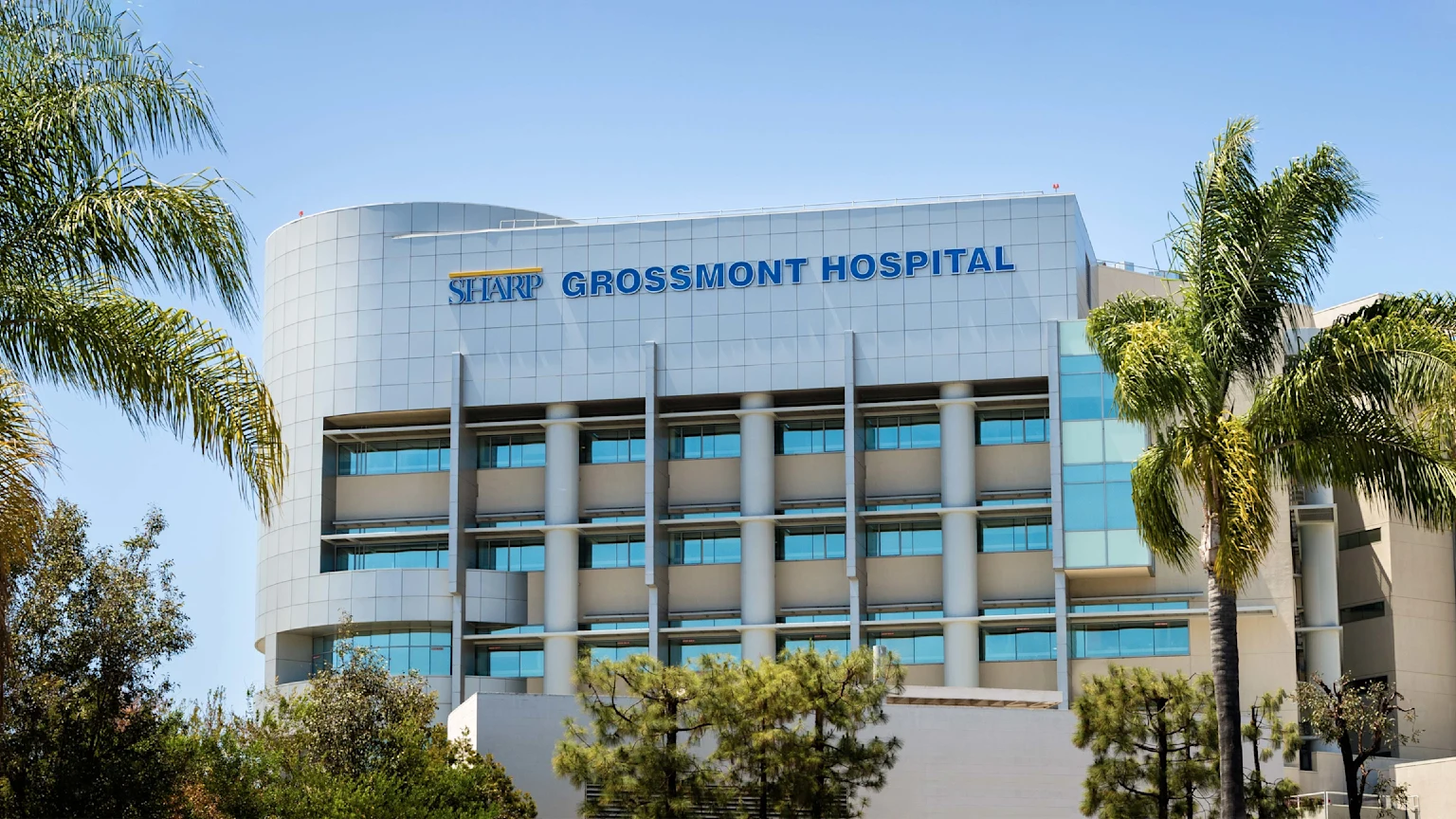
Patients with the most complex cases involving intracranial vessels can be treated at Sharp Grossmont Hospital for Neuroscience, a Comprehensive Stroke Center – the highest certification by The Joint Commission. Comprehensive centers offer special expertise, resources and training to treat all types of stroke.
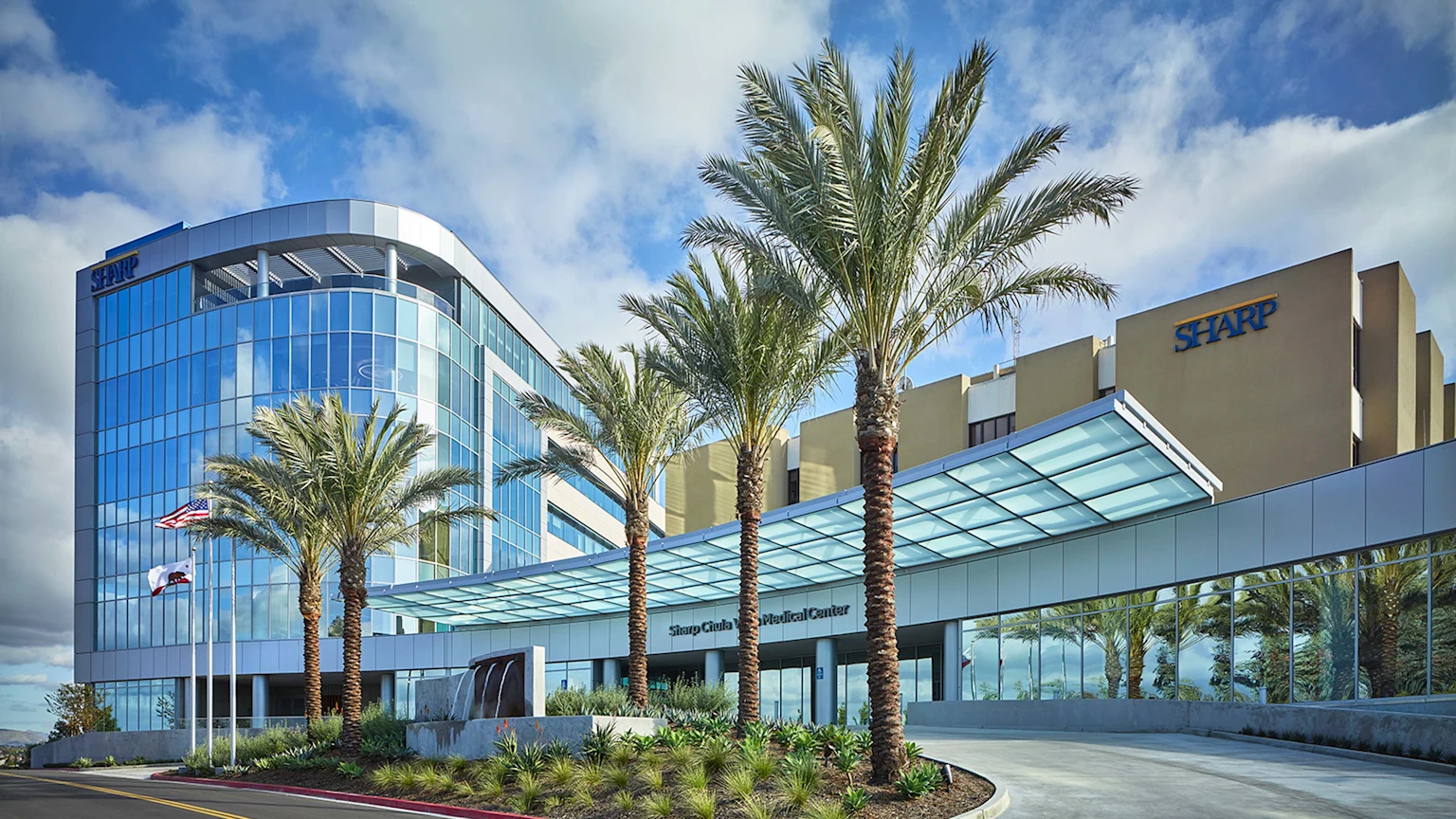
Three Sharp hospitals — Sharp Chula Vista, Sharp Coronado and Sharp Memorial — are certified as Primary Stroke Centers by The Joint Commission. This designation reflects Sharp’s ability to deliver excellent stroke care at every step of a patient’s diagnosis and recovery.
Carotid artery disease treatment locations
We offer coronary artery disease treatment at the following Sharp hospitals in San Diego.