Choose the San Diego gastroenterology specialist who's right for you.
With endoscopy procedures, we can diagnose and treat a variety of gastrointestinal conditions, including:
Barrett's esophagus
Bladder disorders
Celiac disease
Difficulty swallowing (dysphagia/achalasia)
Gastroesophageal reflux disease (GERD)
Pancreatic pseudocysts
Stomach cancer
Strictures (narrowing or blockage of gastrointestinal tract structures)
Tumors of the gastrointestinal tract (throat, esophagus, stomach, small intestine, large intestine, colon and rectum)
Zenker’s diverticulum (outpouching of the muscle that divides the throat from the esophagus)
Our upper and lower endoscopy procedures are carried out by expert gastroenterologists, who are board certified in internal medicine and gastroenterology. Our highly trained support team and registered nurses are also at your side every step of the way.
Ablation therapy — including the Radio Frequency Ablation (RFA) Program for minimally invasive treatment of Barrett’s esophagus
Panendoscopy (upper endoscopy)
Pseudocyst drainage
Transmural gallbladder drainage (GBD)
Tumor treatment and removal
Endoscopic retrograde cholangiopancreatography (ERCP)
EDGE (Endoscopic Ultrasound-Directed transGastric ERCP) and EDEE (Endoscopic Ultrasound-Directed transEnteric ERCP): Procedures for ERCP in altered anatomy
Endoscopic ultrasound (EUS) with fine needle biopsy
EUS-guided celiac neurolysis to palliate pancreatic pain
EUS-guided gastroenterostomy or enteroenterostomy for outlet obstructions
EUS-guided gallbladder drainage for acute cholecystitis
EUS-guided biliary drainage for difficult biliary strictures
EUS-guided pancreatic drainage for pancreatic ductal obstruction
EUS-guided pseudocyst or walled off necrosis drainage
EUS-guided pancreatic radiofrequency ablation for pancreatic neuroendocrine tumors
EUS-guided gastric varices treatment
Removal of cancerous growths and lesions in the gastrointestinal tract
Endoscopic full thickness resection (EFTR)
Endoscopic mucosal resection (EMR)
Endoscopic submucosal dissection (ESD)
Submucosal tunneling endoscopic resection (STER) for removing submucosal tumors
Peroral endoscopic myotomy (POEM) — treats achalasia, a tightening of the esophagus, to restore ability to swallow
E-POEM for achalasia (a tightening of the esophagus, to restore ability to swallow)
Z-POEM for Zenker’s diverticulectomy/Zenker’s release (eliminates the obstruction between the throat and esophagus)
G-POEM for gastroparesis
Transoral incisionless fundoplication (TIF) — treats GERD without surgery
Cholangioscopy
Pancreatoscopy
Lithotripsy
Endobiliary radiofrequency ablation
Double balloon enteroscopy for small bowel pathology
Endoscopic treatment of perforations, leaks, and fistulas
Endobariatric procedures, such as endoscopic sleeve gastroplasty (ESG), transoral outlet reduction (TORe) and intragastric balloon
Endoscopy is a procedure that uses a camera to look inside the body. The doctor uses an instrument called an endoscope, which has a tiny camera that is attached to a long, thin tube to look inside different parts of the body.
Gastroenterologists, in particular, use endoscopy to diagnose and treat various conditions of the esophagus, stomach, small intestine, large intestine (colon), liver, and pancreas. The endoscope is inserted through the mouth to view these areas. Endoscopy can also be used in surgery to remove tissue, such as polyps or tumors.
Along with general endoscopy procedures, Sharp also offers advanced endoscopy procedures to diagnose and treat very complex gastrointestinal conditions, such as esophageal cancer, polyps in the colon or rectum, or bile duct obstruction.
Advanced endoscopy, also known as interventional endoscopy, uses additional equipment and technologies. Like general endoscopy, the minimally invasive procedures for advanced endoscopy do not require incisions, and typically result in faster recovery times, compared to more traditional procedures.
Using a flexible tube with a miniature lighted camera, endoscopy gives your care team an up-close look at your digestive tract — the esophagus, stomach, parts of the small intestine, large intestine, colon and rectum.
After your procedure, you will be brought to a holding area to rest where we will continue to monitor your blood pressure, heart rate and oxygen status.
You may have the urge to belch or pass gas because air used to inflate your stomach and/or colon may remain trapped in areas where the scope could not remove it. This is normal, and you are encouraged to pass the air. If you had an upper endoscopy, your throat may be sore.
You will be in the holding area for at least an hour, depending on your vital signs and level of wakefulness. While you should not feel light-headed or dizzy, you may feel "foggy" because of the medication’s effects.
If permitted by your doctor, you may be given some nourishment prior to leaving. When you’re ready to eat, make your first meal a light one.
You will not be allowed to drive home because of the effects of the medication. You should be able to walk out with your escort, and we have wheelchairs available if you need one.
If you've indicated a designated person to receive information about the results of your procedure, your care team may speak to that person and briefly discuss home care instructions.
If you experience any problems related to your procedure once you are home, please call your doctor immediately. These symptoms may include fever, chills, nausea, vomiting or any unusual pain or problems.
Upper endoscopy, also known as panendoscopy, is a visual examination of the lining of the esophagus, stomach and upper section of the small intestine using a flexible tube with a miniature lighted camera, known as a fiber-optic endoscope.
During the procedure, the endoscope will be inserted through your mouth, and a small plastic mouthpiece will be placed between your teeth. Dentures, tongue rings, partials and other items will need to be removed from your mouth.
For the duration of your procedure, you will lie on your left side. The lining of the stomach, esophagus and upper small intestine will be examined. If necessary, biopsies may be obtained through the endoscope.
At Sharp HealthCare, we provide a full range of upper and lower endoscopy procedures. And our services are offered at locations across San Diego, making it easy for you to get the care you need, when you need it.
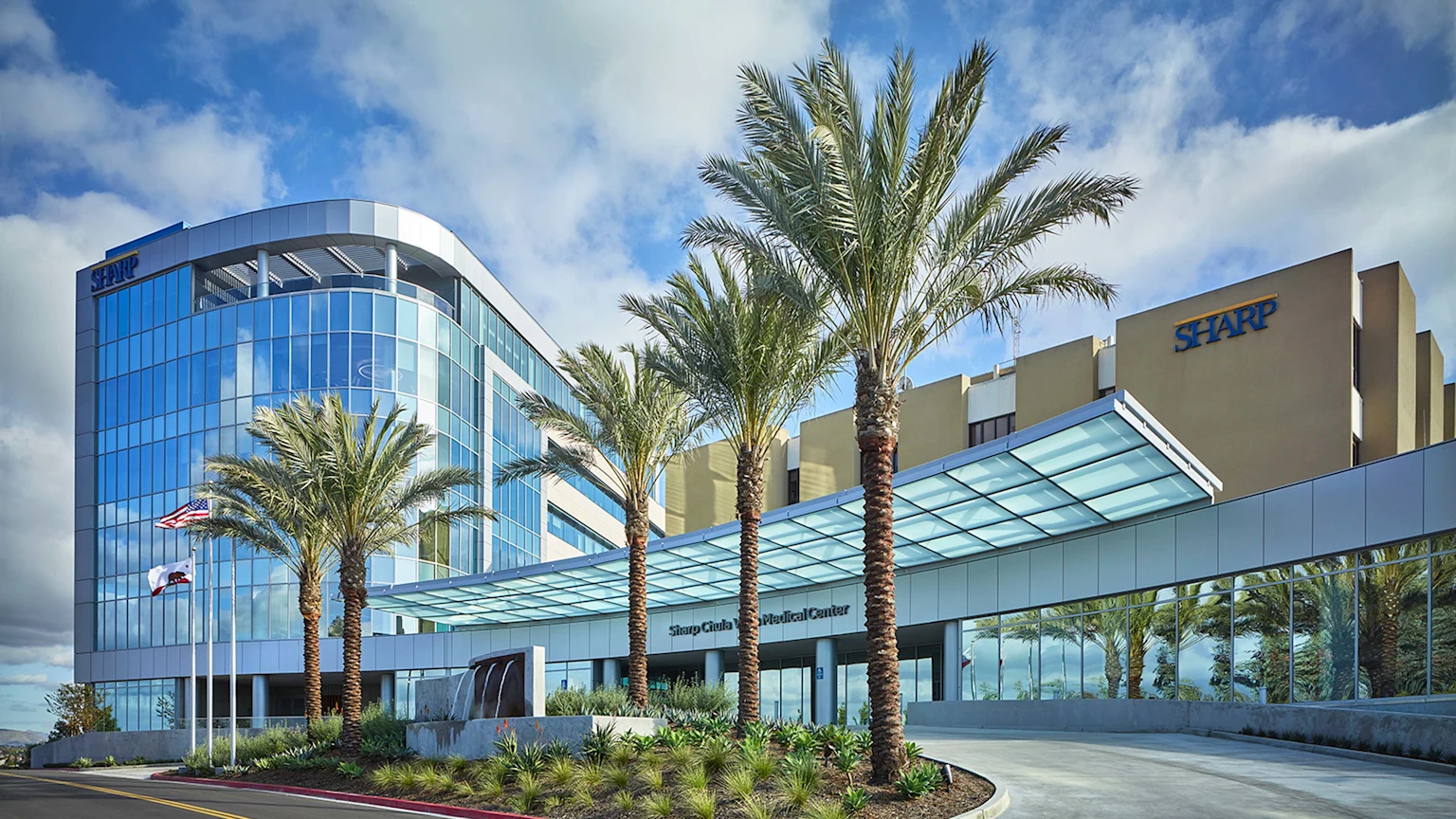
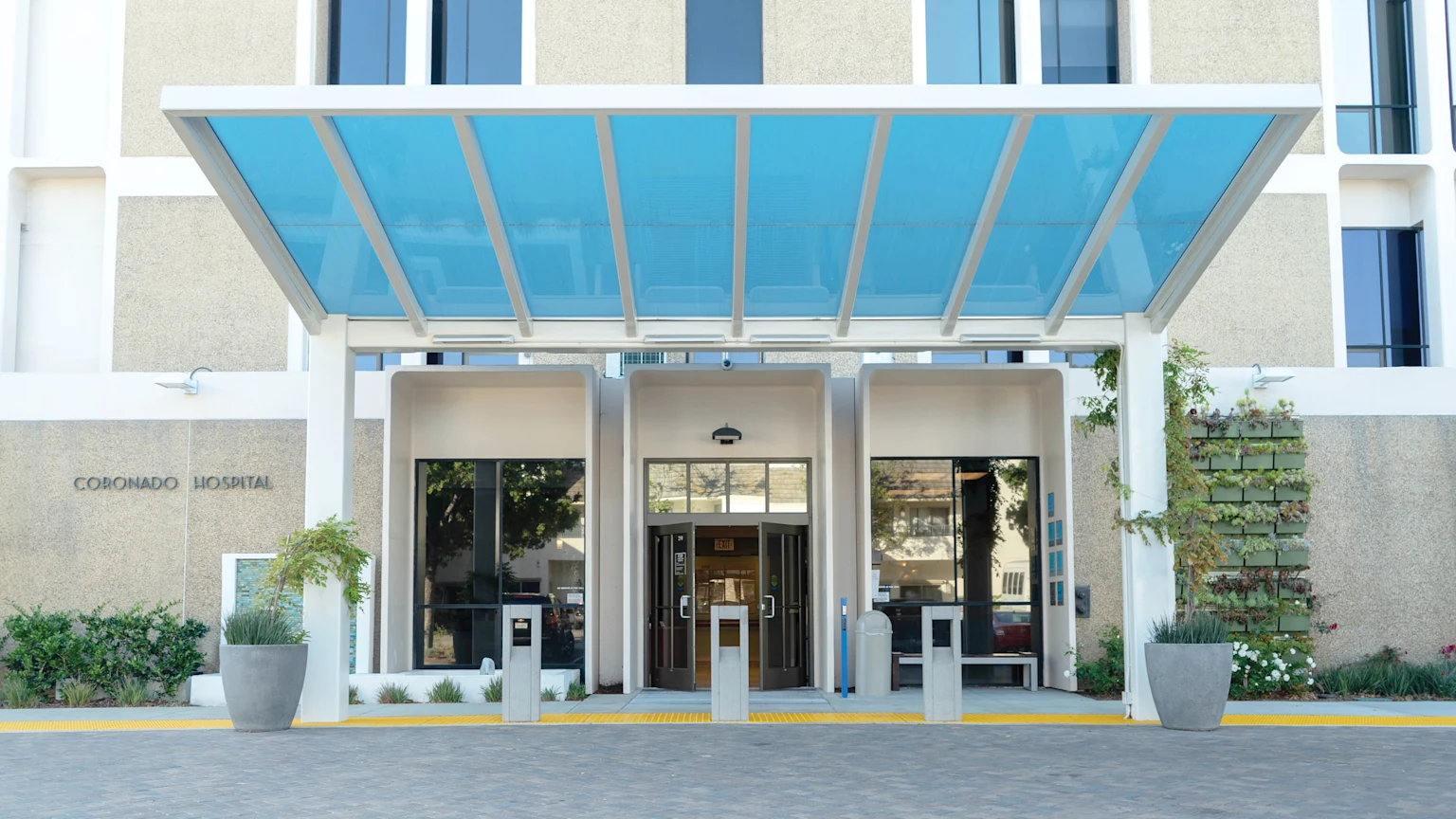
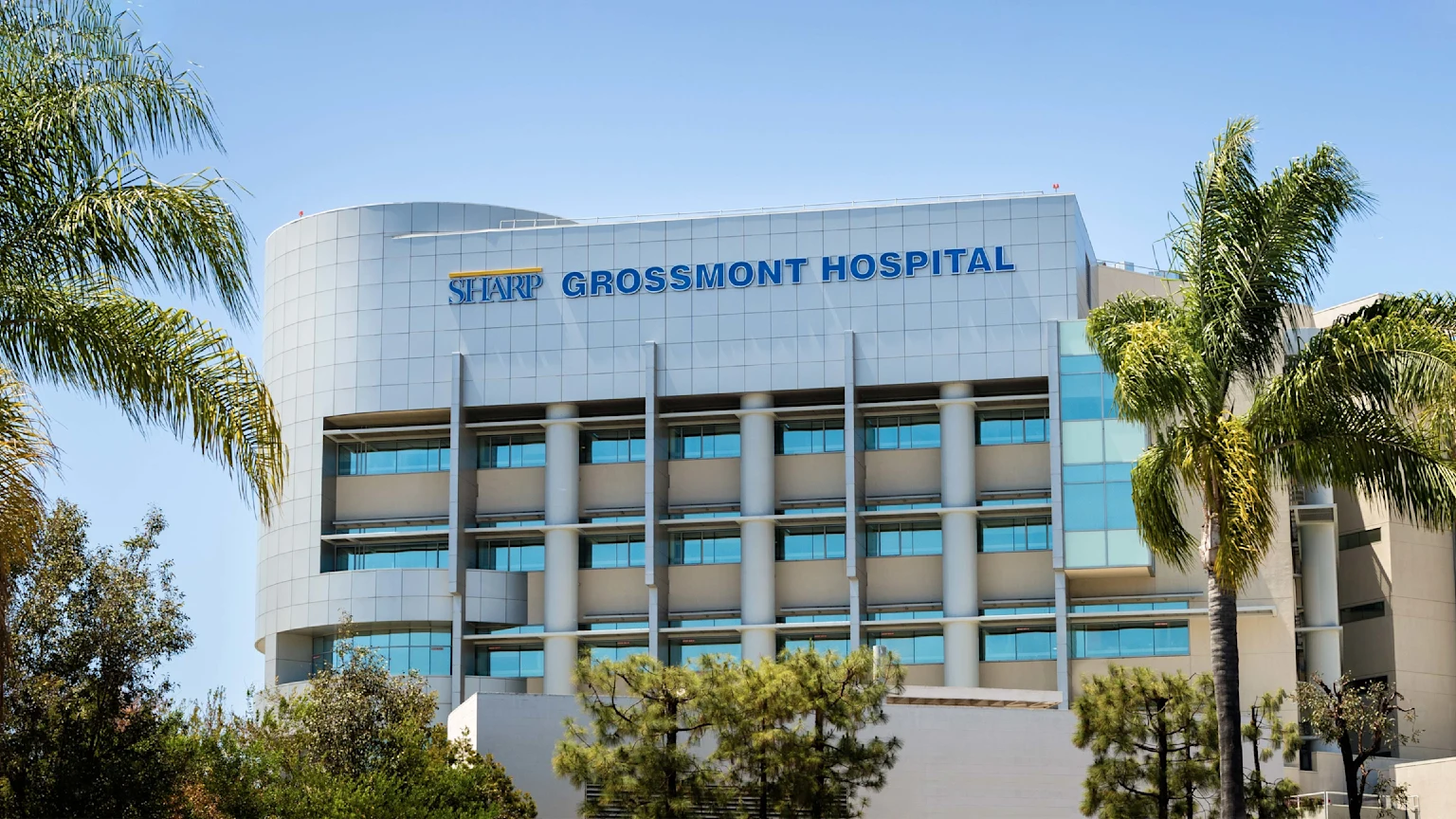
We offer expert diagnostic and therapeutic gastrointestinal endoscopic services at our four acute-care hospitals across San Diego — Sharp Chula Vista Medical Center, Sharp Coronado Hospital, Sharp Grossmont Hospital and Sharp Memorial Hospital.
There are two simple ways to find the right doctor for you:
Search online for a gastroenterologist with our quick, easy-to-use Find a Doctor tool.
Call 1-800-82-SHARP (1-800-827-4277), Monday through Friday, 8 am to 5 pm, to speak with one of our specially trained physician referral specialists. They know our doctors and can help you find the perfect fit.
In some cases, you will need a referral from your primary care doctor.
Some medical groups offer direct access to certain types of specialists. And some health plans, such as PPOs, offer direct access to all specialists. Contact your health plan's member services department to confirm your coverage.
If you are an existing patient with a Sharp-affiliated gastroenterologist (meaning you have seen your doctor at least once), simply call the doctor’s office to make an appointment.
Sharp accepts almost all health insurance plans, including Medicare, Medi-Cal and most managed care and private insurance plans.
Be sure to check with your insurance company to verify specific coverage. Insurance companies frequently add new plans, and update provider networks and covered services under existing plans.
Dr. Michael Lajin shares how advanced endoscopy can treat gastrointestinal issues without the need for surgery.
We offer general and advanced upper and lower endoscopy procedures at our acute-care hospitals across San Diego County.