San Diego sleep medicine
At Sharp, we are committed to determining the root of your sleep issue and devising a solution that fits your lifestyle.

Find a sleep specialist near you
Choose the San Diego sleep medicine doctor who's right for you.
Sleep disorder conditions
Our dedicated team, trained and focused on sleep, comes from a range of medical backgrounds. We are pulmonologists, neurologists, surgeons and psychiatrists. At Sharp, we treat a wide variety of sleep disorders, including:
Circadian rhythm sleep disorders (CRSD)
Heavy snoring
Hypersomnia
Insomnia
Narcolepsy
Obstructive sleep apnea (OSA)
Parasomnias
Restless leg syndrome
Sleep apnea
Sleep deprivation
Sleep movement disorder
Sleepwalking
Screening and diagnosis for sleep disorders
If a sleep disorder is disrupting your life, talk to your doctor about a referral to a Sharp-affiliated sleep medicine specialist. We'll conduct a comprehensive review, and if needed, order a sleep study, which may occur at home or in one of our state-of-the-art facilities.
A home sleep study involves taking home a diagnostic machine, hooking it up to yourself at bedtime, sleeping with it on, and then returning it.
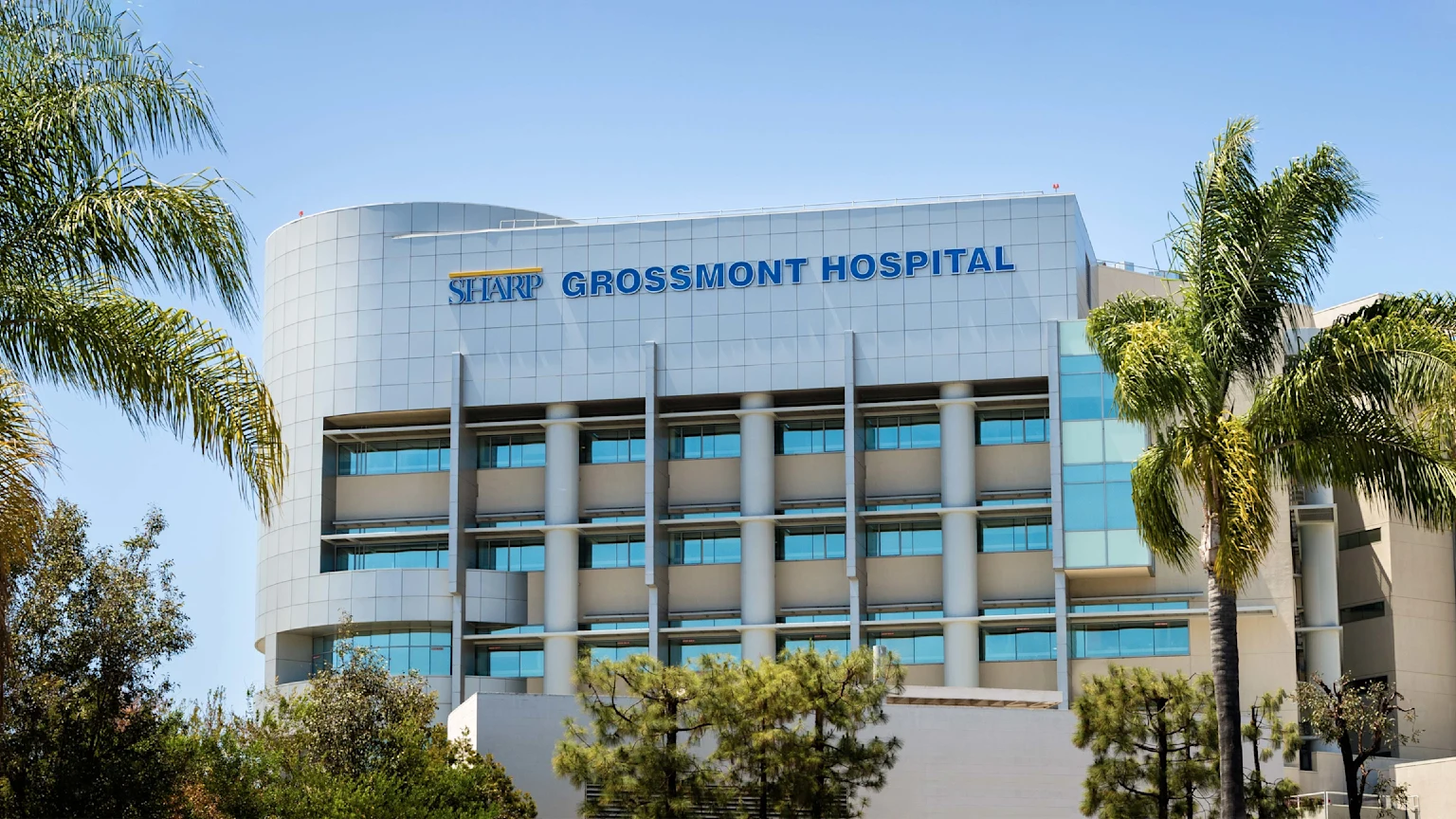
An in-lab sleep study may involve an overnight stay in one of our hotel-style outpatient rooms at the Sharp Grossmont Hospital Comprehensive Sleep Center. Here, our cutting-edge technologies monitor your sleep, focusing on unusual body movement, heart rate, breathing patterns or brain waves.
Depending on your diagnosis, our specialists will cater their care to you. Whatever the outcome, trust in your care team to create a treatment plan that works best for you.
Sleep disorder treatments
There are many ways to bring regular sleep back into your routine. Treatments may include surgery, medical devices or medication, or they may include behavior modifications or diet changes. Trust in us to understand your challenges — and to provide you with the absolute best possible care.
Treating sleep apnea may involve surgery to remove excess tissue from your nose or throat. At Sharp, we offer the following surgical and nonsurgical options for sleep apnea.
One of the most well-known treatments for sleep apnea is the use of a device called a CPAP machine. This requires the user to wear a mask that is connected to a machine that helps supply filtered, pressurized air while they sleep.
Inspire therapy treats obstructive sleep apnea by working inside the body to help restore natural breathing. This treatment consists of an implantable impulse generator — similar to a pacemaker — that sends a signal to move the tongue forward with breaths. It can be successful for moderate or severe OSA.
In this procedure, the upper and lower part of your jaw is moved forward from the remainder of your face bones. This enlarges the space behind the tongue and soft palate, making obstruction less likely.
This procedure may require the cooperation of an oral surgeon and an orthodontist, and at times may be combined with another procedure to improve the likelihood of success.
You may require nasal surgery to remove polyps or to straighten a crooked partition between your nostrils, also called a deviated nasal septum. This surgery helps to reduce snoring and contributes to the treatment of sleep apnea by clearing or enlarging the nasal passages.
Removing tissues in the back of your throat with a laser (laser-assisted uvulopalatoplasty) or with radio frequency energy (radio frequency ablation) are procedures that doctors can perform to treat snoring. Although these procedures are occasionally combined with others, they are not usually recommended as sole treatments for obstructive sleep apnea.
You may need a tracheostomy if other treatments have failed, and you have severe, life-threatening sleep apnea. In this procedure, your surgeon makes an opening in your neck and inserts a metal or plastic tube through which you breathe. The opening is kept covered during the day and uncovered at night to allow air to pass in and out of your lungs, bypassing the blocked air passage in your throat.
During this procedure, the doctor removes tissue from the rear of your mouth and top of your throat. Your tonsils and adenoids usually are removed as well. This type of surgery may be successful in stopping throat structures from vibrating and causing snoring. However, it may be less successful in treating sleep apnea because tissue farther down your throat may still block your air passage. UPPP usually is performed in a hospital and requires a general anesthetic.
Frequently asked questions
At Sharp HealthCare, we provide a full range of sleep medicine services to treat a wide variety of disorders.
At the Sharp Grossmont Hospital Comprehensive Sleep Center, we have a specialized outpatient facility dedicated to diagnosing and treating a wide range of issues — from snoring to insomnia, narcolepsy to restless leg syndrome. We are sleep specialists, polysomnographers and more — all dedicated to creating a treatment plan that works best for you.
There are two simple ways to find the right sleep medicine doctor for you:
Search online for a sleep medicine specialist with our quick, easy-to-use Find a Doctor tool.
Call 1-800-82-SHARP (1-800-827-4277), Monday through Friday, 8 am to 5 pm, to speak with one of our physician-referral specialists. They know our doctors and can help you find the perfect fit.
In some cases, you will need a referral from your primary care doctor.
Some medical groups offer direct access to certain types of specialists. And some health plans, such as PPOs, offer direct access to all specialists. Contact your health plan's member services department to confirm your coverage.
If you are an existing patient with a Sharp-affiliated sleep medicine specialist (meaning you have seen your doctor at least once), simply call the doctor’s office to make an appointment.
Sharp accepts almost all health insurance plans, including Medicare, Medi-Cal and most managed care and private insurance plans.
Be sure to check with your insurance company to verify specific coverage. Insurance companies frequently add new plans, and update provider networks and covered services under existing plans.
Sleep apnea is a condition that causes breathing to stop repeatedly throughout sleep. Obstructive sleep apnea (OSA) is the most common of the three types of sleep apnea. OSA occurs when the tongue or throat muscles relax and block the airway.
Sleep apnea is not unique to individuals who are obese. Nearly 22 million American adults are diagnosed with one or more types of sleep apnea; however, 70% of those individuals diagnosed with sleep apnea are also obese. This is due in large part to excess fatty tissue around the throat and upper torso, predisposing individuals to this condition.
Look for these common indicators of sleep apnea:
Chronic snoring
Waking up tired and with a headache
Waking up throughout the night, gasping for air
Excessive tiredness, especially midafternoon
If you find that your drowsiness seems excessive or is affecting daily activities, talk with your doctor.
Diagnosing and treating sleep disorders with a sleep study
San Diego sleep medicine services locations
We offer diagnosis and treatment of sleep disorders at these Sharp hospitals.