Robotic surgery for the removal of endometriosis
Endometriosis is difficult to live with — it can cause both physical and emotional pain. At Sharp, we're here to help you better understand your condition and give you safe, innovative options for healing.

Getting you better, faster
Women who have endometriosis develop endometrial tissue outside of the uterus (tissue that is normally inside the uterus). The tissue still responds to the regular hormonal cycle of the female body by building up and breaking down with the menstrual cycle, resulting in internal bleeding, inflammation, cysts and scar tissue.
The endometriosis scar tissue may also cause blockage in the pelvic area and organs, resulting in infertility or difficulty getting pregnant.
We offer minimally invasive treatments, including robotic surgery, which can swiftly treat your endometriosis and get you back to living the vibrant life you deserve.
Am I at risk for developing endometriosis?
While any woman may develop endometriosis, you may be at increased risk for the disease if you fall into any of the following categories:
You are Caucasian
You gave birth for the first time after age 30
You have an abnormal uterus
You have first-degree relatives (mother, sister, daughter) with the disease
Endometriosis symptoms
The most common endometriosis symptoms are:
Menstrual cramps
Endometriosis treatments
Surgical treatment options for endometriosis depend on your diagnosis; however, there are two main options:
1
Removal of endometrial tissue
Best option if you want to have children
We can help you heal
Though a great option for all women suffering from endometriosis, minimally invasive surgery is especially promising for women who would like to have children in the future.
With techniques like robotic surgery, the surgeon is able to make small precise movements with better visualization of the anatomy to remove the endometrial tissue. This is especially helpful to preserve the delicate structures of the pelvis and decrease the chance of future complications.
Frequently asked questions
Robotic technology is an extension of your surgeon, who is in full control of everything that happens during the surgery. The robotic technology moves like the human wrist and allows for surgeons to perform the surgery using smaller instruments in a more precise and steady movement. With zooming capabilities, the incision is 1 to 2 centimeters, compared to traditional open surgery where the surgeon must make an incision large enough to fit the surgical instruments and view the area.
The overall benefits of robotic surgery may include:
Fewer complications
Less blood loss and risk of infection
Significantly less pain and scarring
Shorter recovery time for a quicker return to normal activities
A camera inside your body will send real-time images to your surgeon, who guides the robot from a console in the operating room. These images are highly magnified with a sharper resolution, giving your surgeon a better view than what they would see standing over you.
Our skilled surgeons have access to the latest technology, including the da Vinci® 5, Xi and X robotic systems. Each is optimized for certain types of general surgery procedures, including colon, gallbladder, gynecologic, abdominal and hernia repair.
Robotic-assisted and laparoscopic are both types of minimally invasive surgery.
In a laparoscopic procedure, your surgeon stands directly over you, manually controlling the surgical instruments and utilizing a laparoscope — a long narrow tool that has a camera and a light — to see inside your body.
In robotic-assisted surgery, your doctor will be seated at a console, controlling the surgical instruments directly with the robotic arms. The robotic system gives your surgeon greater control and a 360-degree range of motion, as well as providing a high-definition, 3D camera to see inside your body.
Unlike robots you may see in the movies, the robotic system does not have a mind of its own. Your surgeon will be in complete control of every movement in real time — nothing is automatic. In addition, every member of your Sharp care team has received specialized training in operating the robotic surgery system.
But as with any medical procedure, talk to your doctor about any potential risks.
There are two simple ways to find the right doctor for you:
Search online with our quick, easy-to-use Find a Doctor tool.
Call 1-800-82-SHARP (1-800-827-4277) to speak with one of our specially trained physician referral specialists. They know our doctors and can help you find the perfect fit.
In some cases, you will need a referral from your primary care doctor.
Some medical groups offer direct access to certain types of specialists. And some health plans, such as PPOs, offer direct access to all specialists. Contact your health plan's member services department to confirm your coverage.
Sharp accepts almost all health insurance plans, including Medicare, Medi-Cal and most managed care and private insurance plans.
Be sure to check with your insurance company to verify specific coverage. Insurance companies frequently add new plans, and update provider networks and covered services under existing plans.
San Diego robotic surgery for endometriosis locations
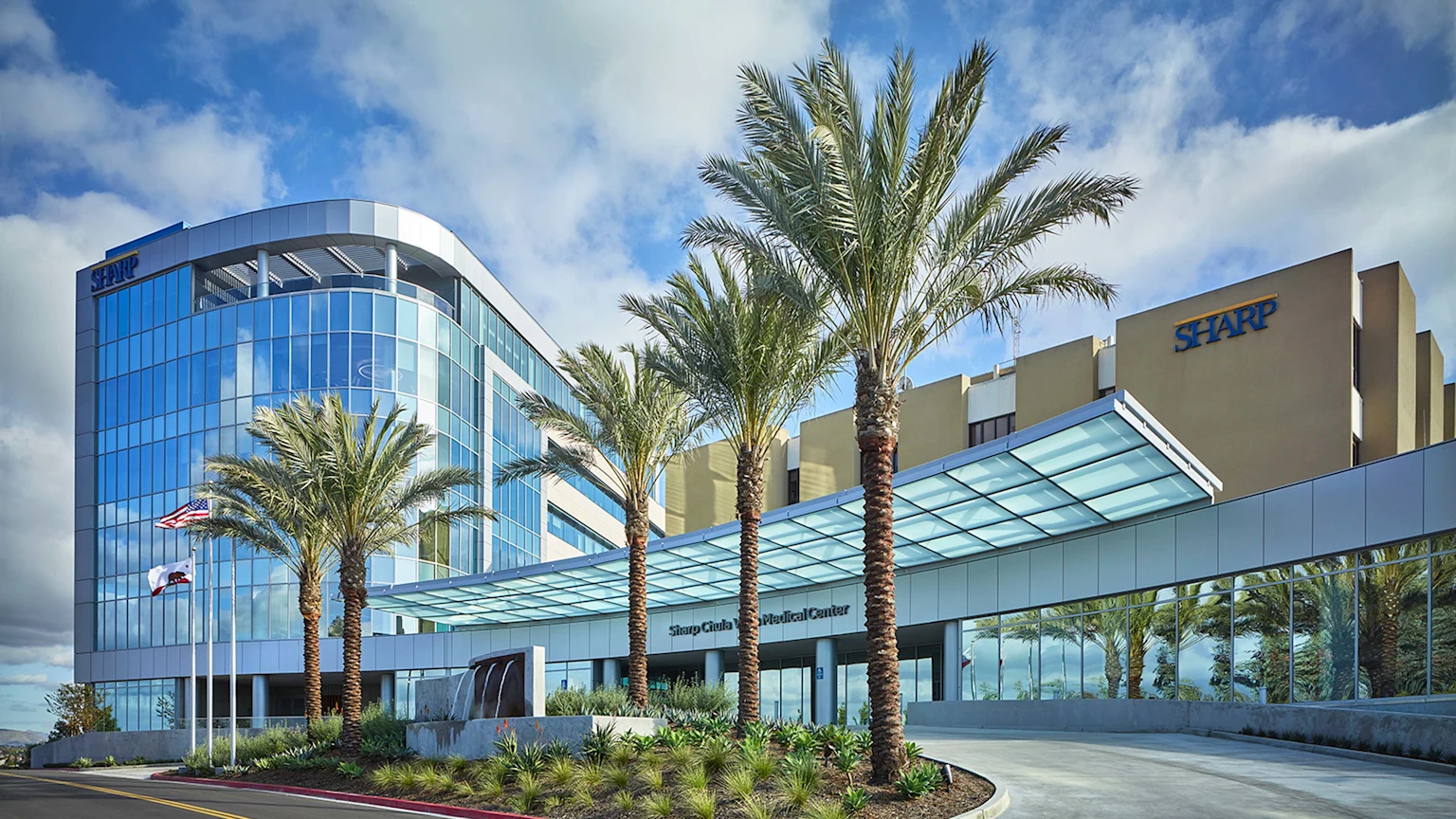
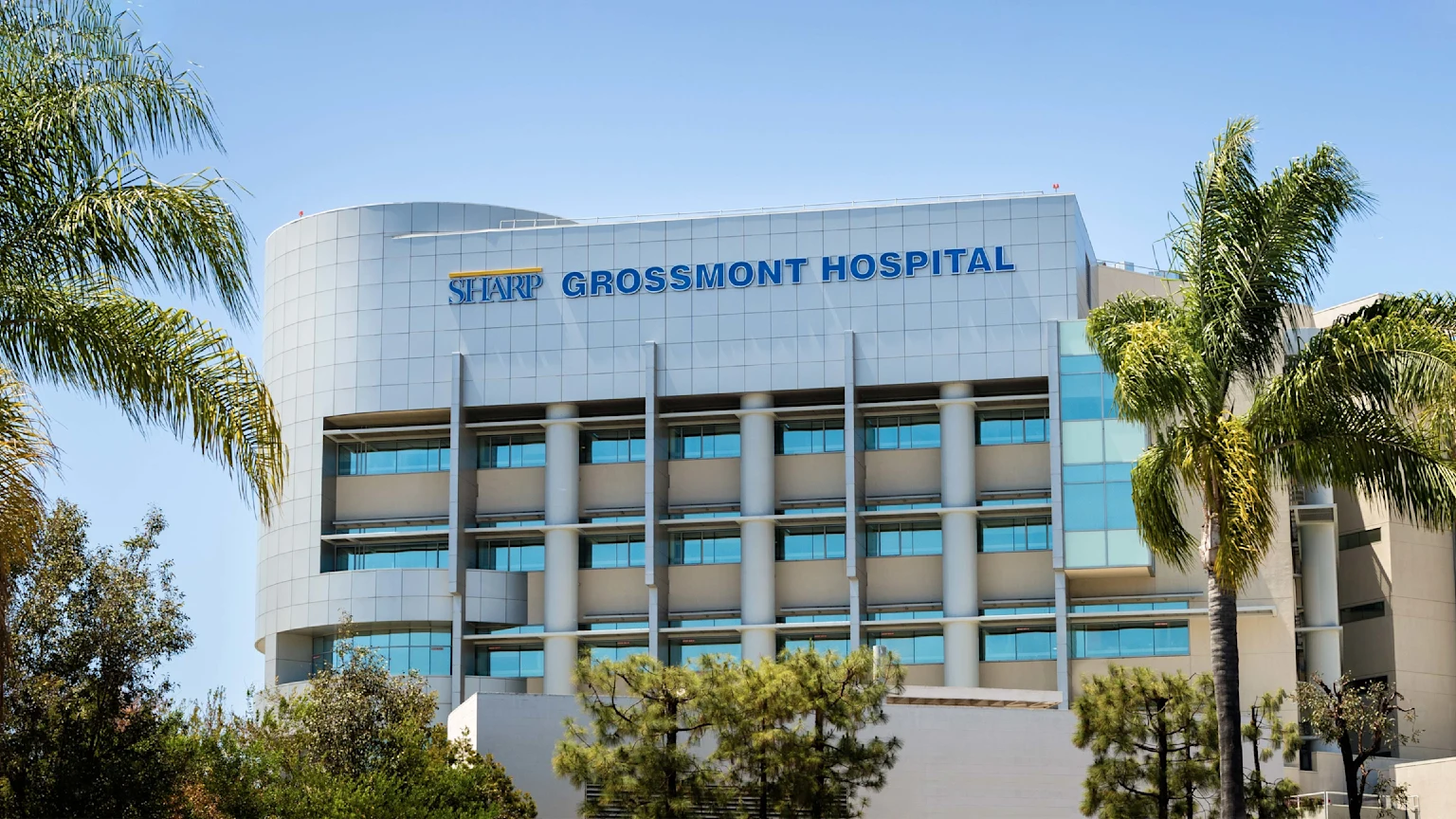
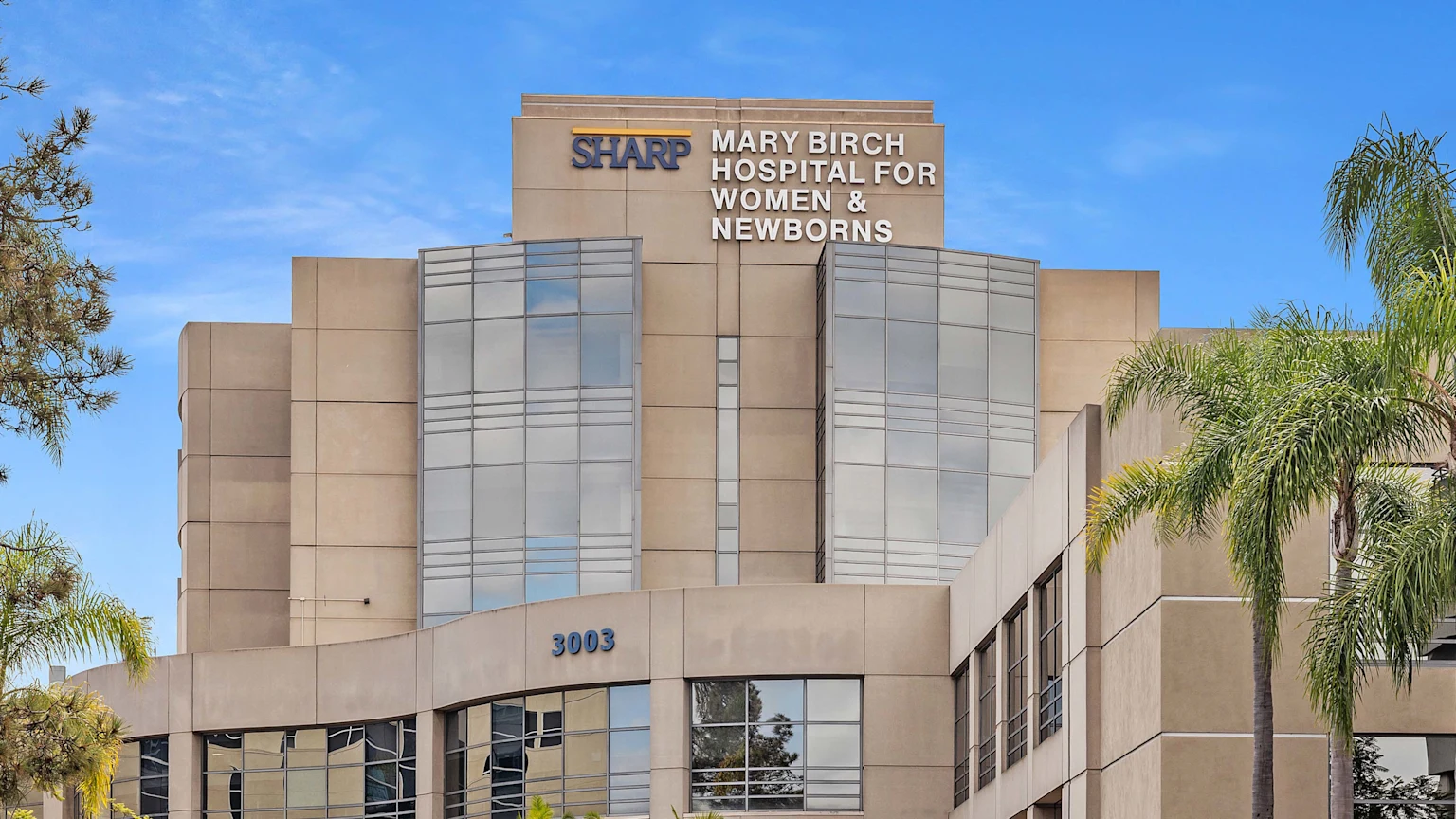
Sharp HealthCare offers da Vinci® robotic surgery in San Diego at the following hospitals.